Stream Team
Providing ecologically- and watershed-focused in-class and on-the-ground learning opportunities to the students of the Siuslaw Watershed.
With Covid-19 limiting the ability to work with teachers on place-based field trips in the watershed, the Council has temporarily shifted to an offering of online resources. With the help of our Board Vice President, Jim Grano, founder of the Stream Team Program and former Siuslaw and Mapleton Schools teacher, we are offering the following annotated resource guide to teachers, tutors, parents, and others to engage our local students with their environment.
The guide includes an annotated list of online programs that are both free and Ready-to-Use as well as a directory of additional resources to aid lesson development. The annotations from Jim include his comments and recommendations on the program offerings which include lesson plans, videos, slide-shows, art ideas, and more!
We hope that our local teachers, parents, and students will find these resources as useful as we do!
We look forward to getting back out in the watershed with you soon!
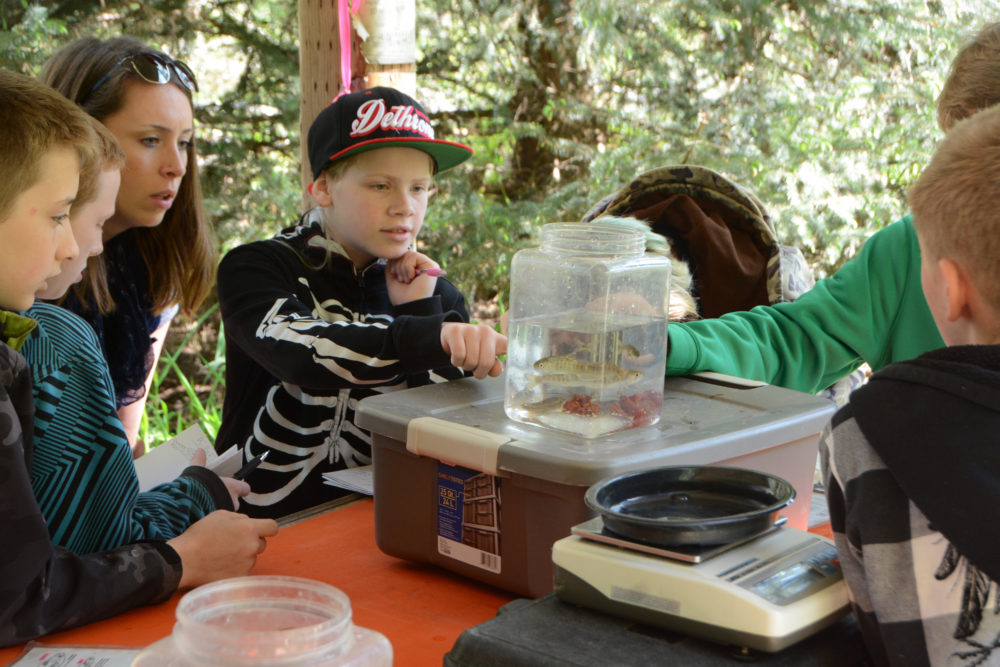
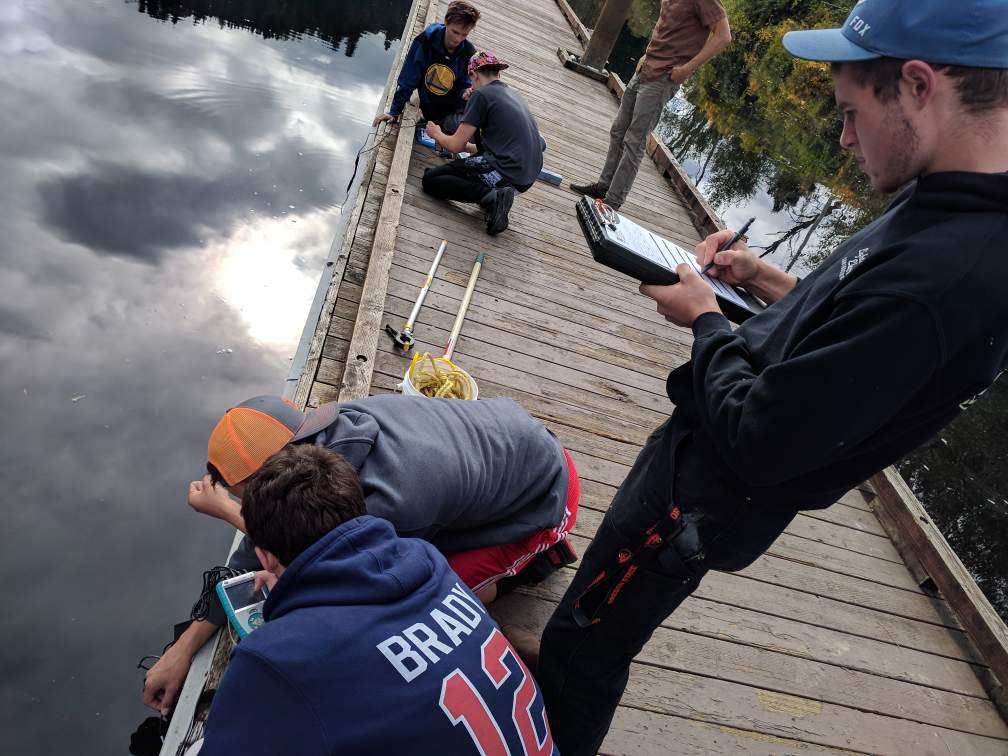
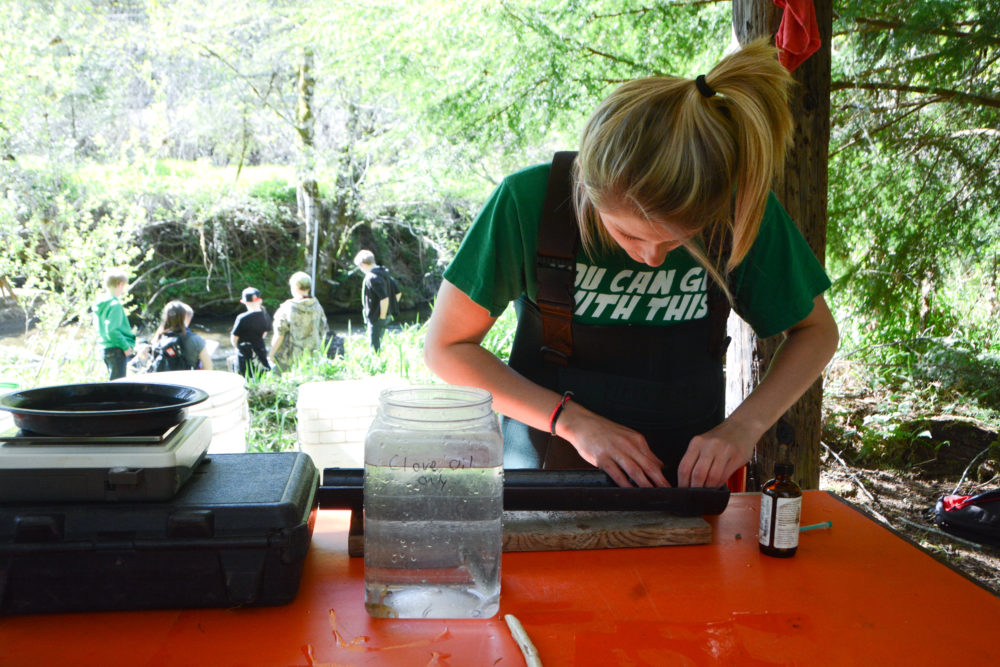
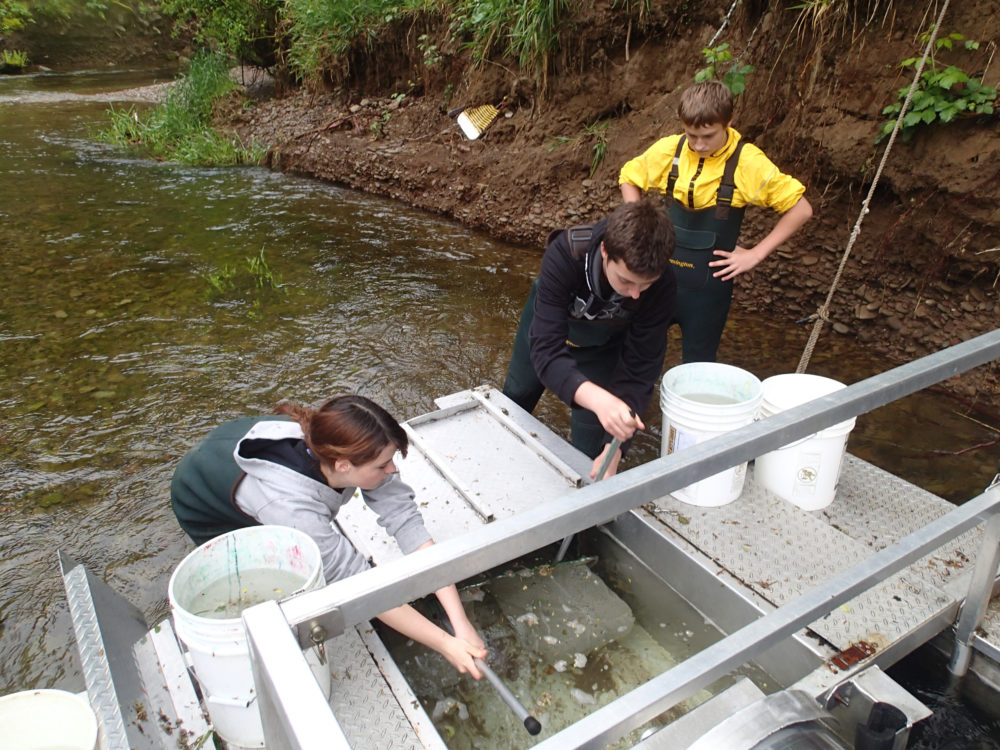
In partnership with local teachers, our Classroom Education & Stream Team school field trips support STEM learning and natural sciences curriculum through a variety of field trips and classroom educational activities.
Guided by a broad range of community, watershed, and agency natural resource professionals, students learn and participate first-hand in on-the-ground restoration efforts within important watershed habitat systems in the coastal Siuslaw region. Through collaboration, students’ education is place-based, active, and alive, with the literacy to understand the challenges to and needs of our specific area’s health. They conduct water quality monitoring, streamflow measurements, biological assessments, and participate in restoration projects such as riparian plantings, invasive plant species removal, and rearing and releasing Coho salmon.
Through these experiences, they simultaneously learn the impact of human activities and indicators of health in an ecosystem. The activities also provide our future watershed stewards with opportunities to learn about employment options available to them in the natural resource economy. Most importantly, through learning about our watershed, students gain an appreciation of this special place, giving them a sense of stewardship and guiding them toward long-term involvement with protection and restoration efforts.
We see great value in these educational programs and want to see them grow! Recently, we began partnering with Ecology in Classrooms and Outdoors (ECO), an environmental education non profit, who will be carrying on the work begun by Jim Grano and providing hands-on experiential ecology lessons to Mapleton and Siuslaw School Districts as well as Triangle Lake Charter School. With ECO, we are working to forge a sustainable program to promote and steward the health of the Siuslaw watershed. We’re looking for classroom educational opportunities with local teachers at all grade levels to continue this program.
““I had fun and got to do a lot of things I have never done before.”
~Isaac, Stream Team attendee